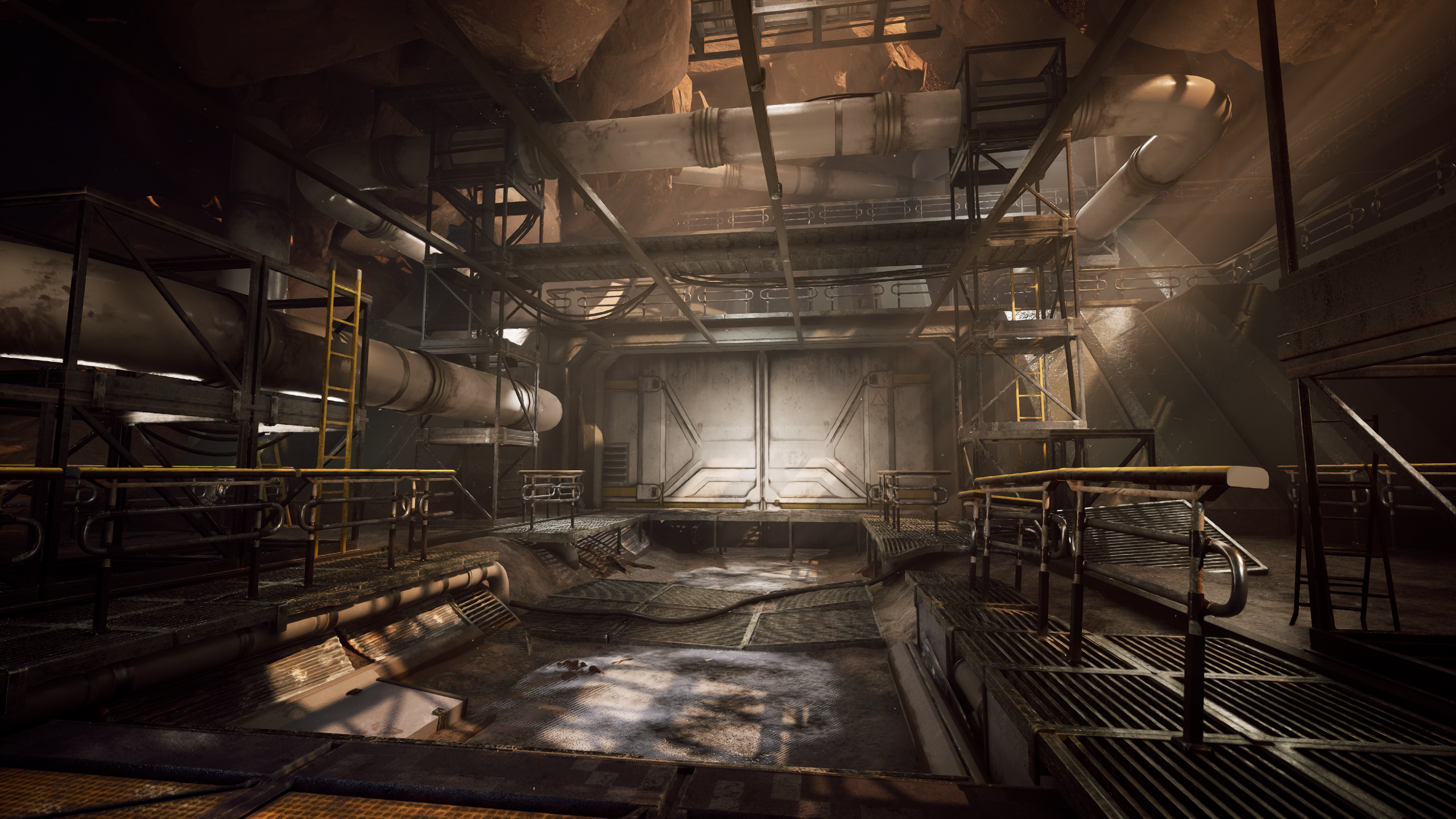
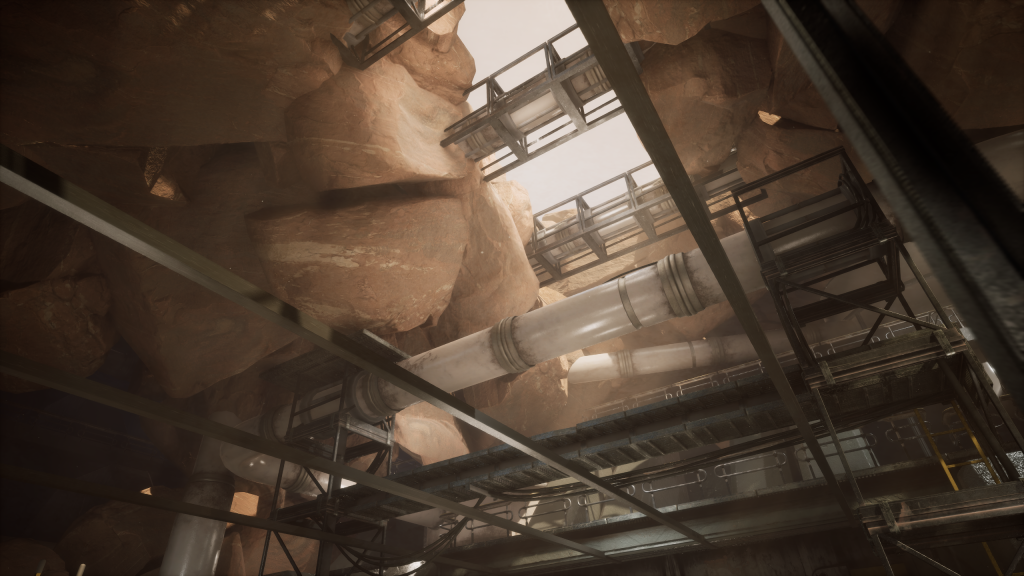
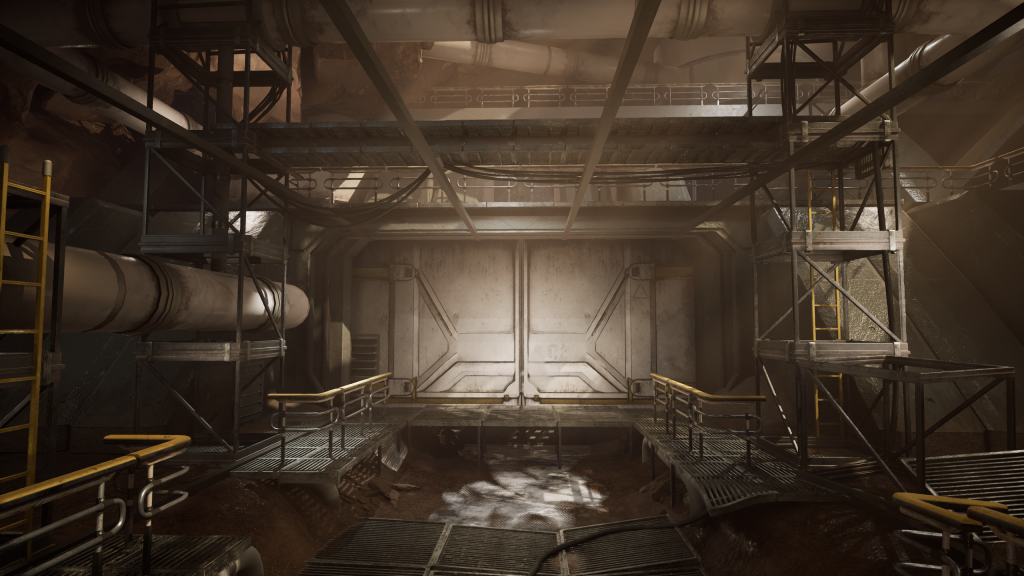
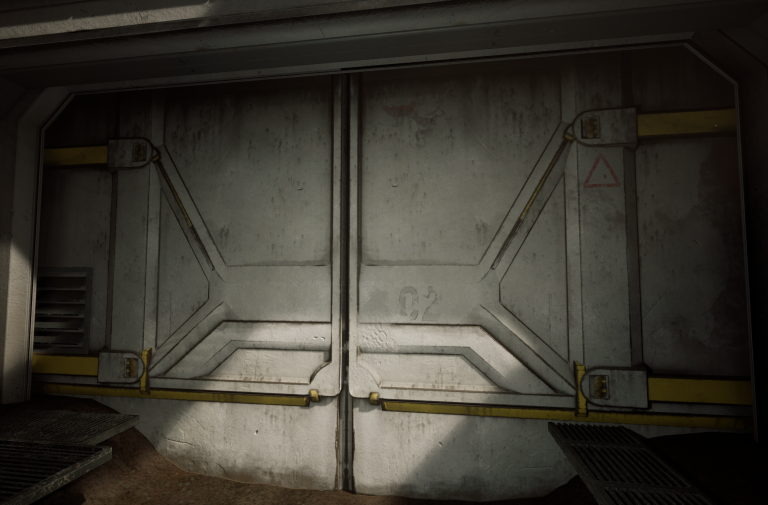
Facility Entrance is my primary environment art project developed during my time at Gnomon. Drawing inspiration from the aesthetics of modern sci-fi titles, I focused on creating realistic PBR materials while prioritizing the rigorous optimization standards required for a first-person shooter.
The concept evolved through several iterations, eventually finding its identity as the gateway to a train station within a gritty, industrial sci-fi world. My creative direction was heavily influenced by the environmental storytelling and mechanical designs of Titanfall 2, Warframe, and Cyberpunk 2077.
2026 Aidan Ko
Software: Maya, Substance Designer, Substance Painter, ZBrush, Unreal Engine.
To bring this gritty gateway to life, I prioritized a modular workflow that balanced visual storytelling with technical constraints. I started by blocking out the space to establish a sense of scale and “industrial weight,” ensuring the architecture felt functional like a level the player can walk in rather than a backdrop. By studying games with a similar aesthetic like Titanfall 2, I was better able to determine the integrated industrial elements that gives the station a more factory-like identity. Once the layout was solidified, I focused on creating a high-fidelity camera shot visually.
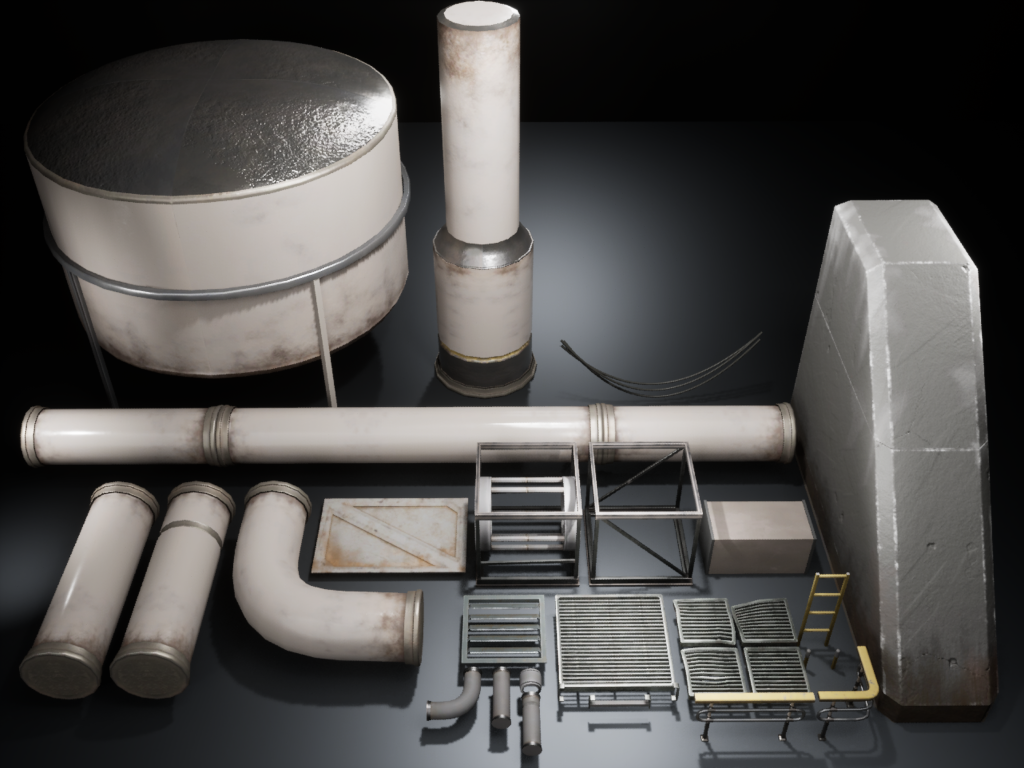
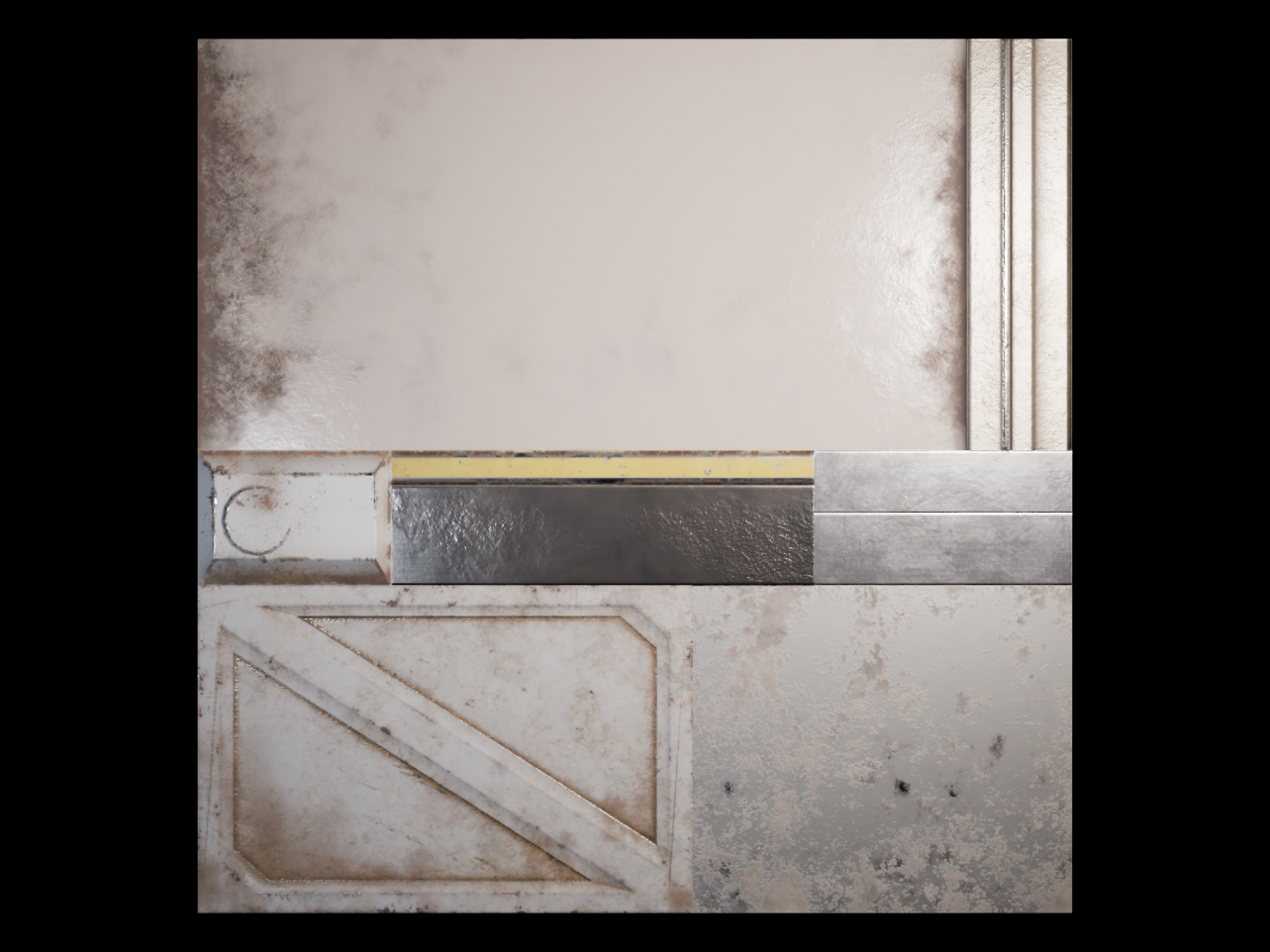
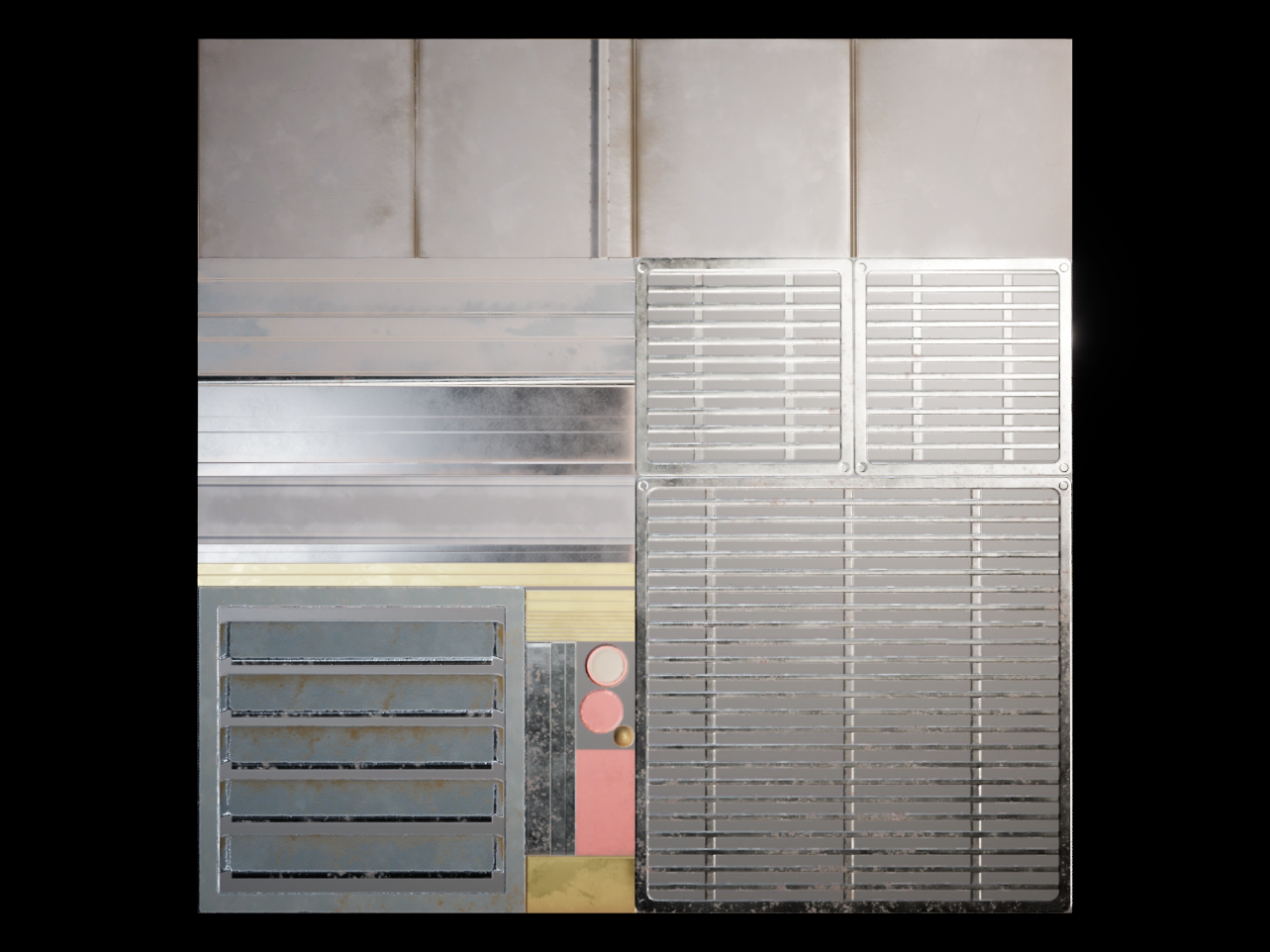
To populate the environment, I developed a modular asset kit used throughout the scene. By utilizing texture atlases and trim sheets, I was able to map every asset in the kit (shown left) to just two 2k textures. This approach significantly optimizes performance by reducing draw calls and minimizing VRAM overhead, ensuring the scene remains performant for a real-time first-person shooter. Beyond the technical benefits, these shared materials create a more cohesive visual language across the entire station.
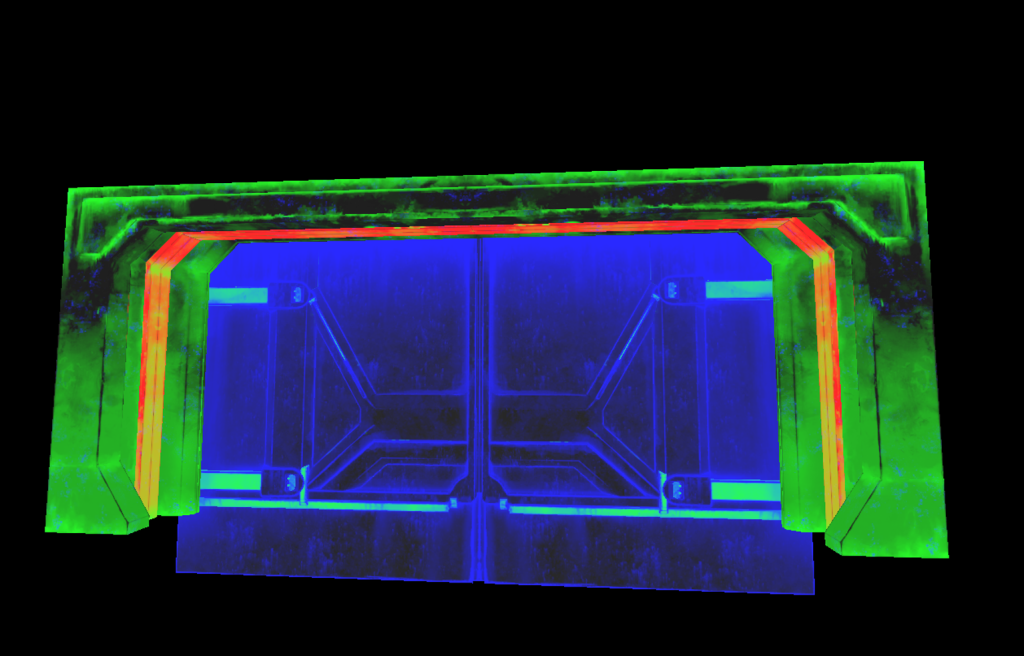
While trim sheets provide excellent efficiency, hero assets often require additional flexibility to stand out. To maintain high visual fidelity without the memory overhead of unique high-resolution textures, I utilized RGB masking. This workflow allowed me to layer tileable materials while only requiring a single unique mask texture to define where each material appears.
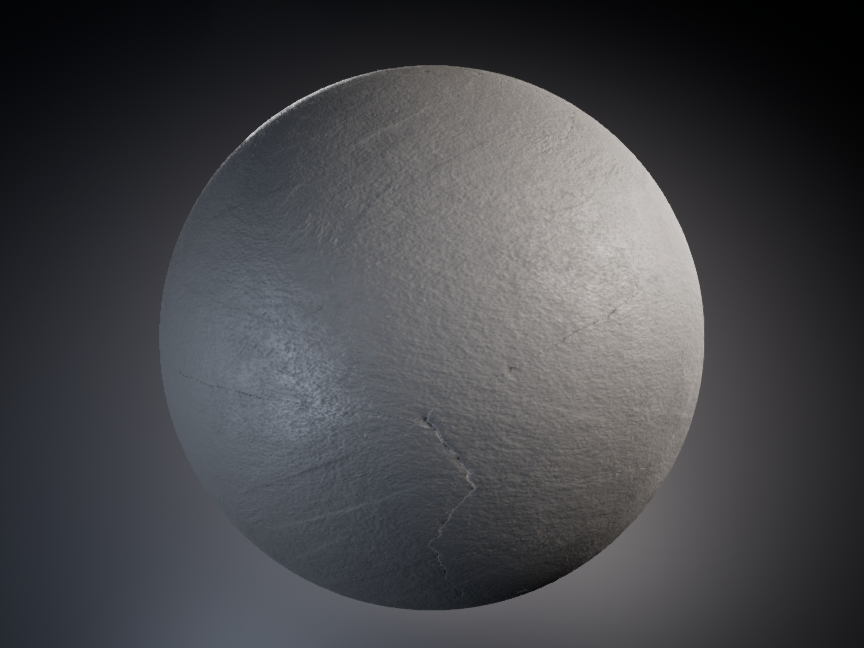
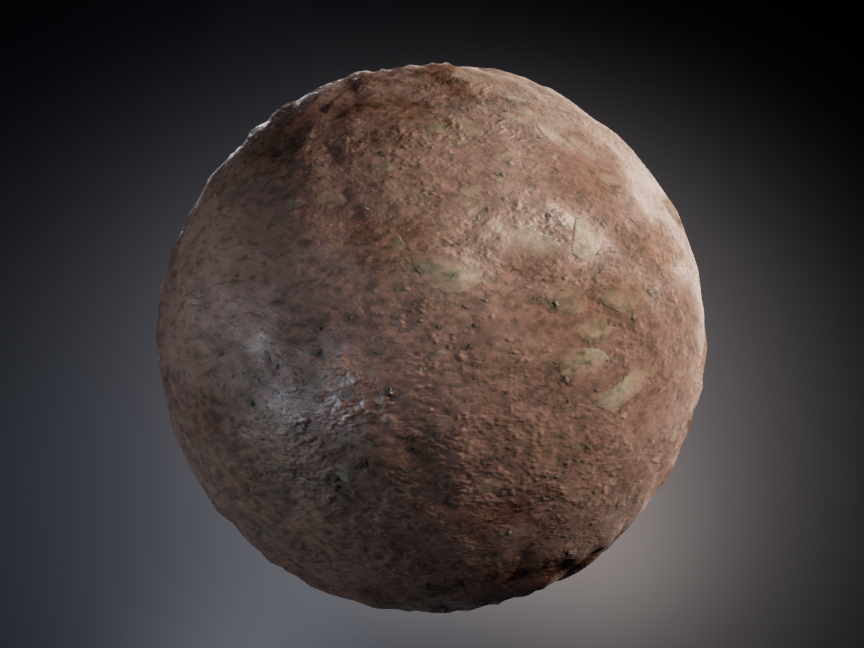
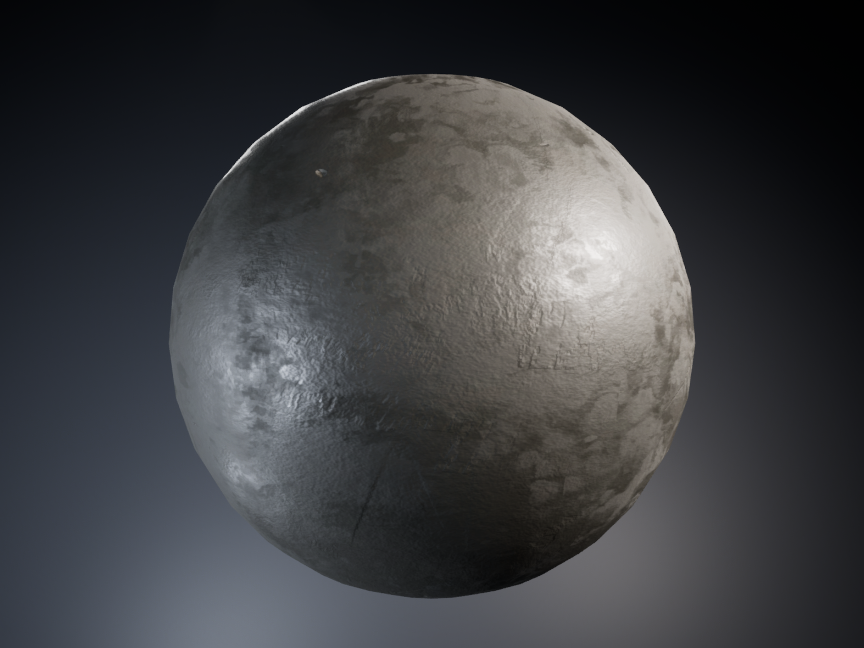
By combining these masks with three custom tileable textures (authored in Substance Designer) and the previously mentioned trim sheets, I was able to texture nearly the entire environment using only six core textures. This lean texture budget—consisting of two trim sheets, three tileables, and one photogrammetry texture—allowed for maximum visual density with a minimal footprint.

To break up repetition and ground the scene in reality, I scattered decals throughout the environment, focusing specifically on hero assets like the primary gate. By layering custom symbols and grime over the base materials, I was able to introduce purposeful asymmetry and “lived-in” character to the station. This final pass of environmental storytelling ensures the facility feels like a functional, high-traffic gateway rather than just a collection of sterile geometry.
Facility Entrance was an exercise in balancing high-end visual fidelity with the strict technical constraints of modern game development. By leveraging modular workflows, efficient trim sheets, and strategic shader work, I was able to create a cohesive, atmospheric environment, and visual pleasing environment!